Shopping for a home in Waverly can feel like choosing between a boat slip and a barn. You have options that range from gated waterfront living to wide‑open acreage, and each path comes with different features, costs, and upkeep. If you want a clear picture of what buyers like you value most in this coastal corner of Camden County, you are in the right place. In this guide, you will learn the top home styles and features Waverly buyers look for, plus key coastal considerations that affect design, insurance, and maintenance. Let’s dive in.
Waverly at a glance
Waverly sits in north Camden County along Georgia’s lower Atlantic coast. Its location offers access to I‑95 and regional hubs, with many relocation buyers connected to Naval Submarine Base Kings Bay. You can get a feel for the area’s setting with this simple Waverly overview map. If you are relocating with the Navy or as a civilian contractor, the Kings Bay housing region page is a helpful starting point.
Waverly’s housing mix is diverse. You will see modest rural homes and manufactured housing, newer traditional builds with Craftsman or modern farmhouse cues, and higher‑amenity waterfront and golf properties. Prices vary widely because buyers trade between amenity premiums on the water and more acreage inland at a lower cost per acre.
What drives price and choice
- Waterfront or golf amenities often command higher purchase prices and higher ongoing costs.
- Larger inland parcels can be more affordable per acre, with room for outbuildings, RVs, and hobbies.
- Utilities and site conditions matter. Some areas use public water and sewer, while many rural parcels rely on well and septic.
- Floodplain location and elevation influence build type, insurability, and long‑term costs.
Popular home styles in Waverly
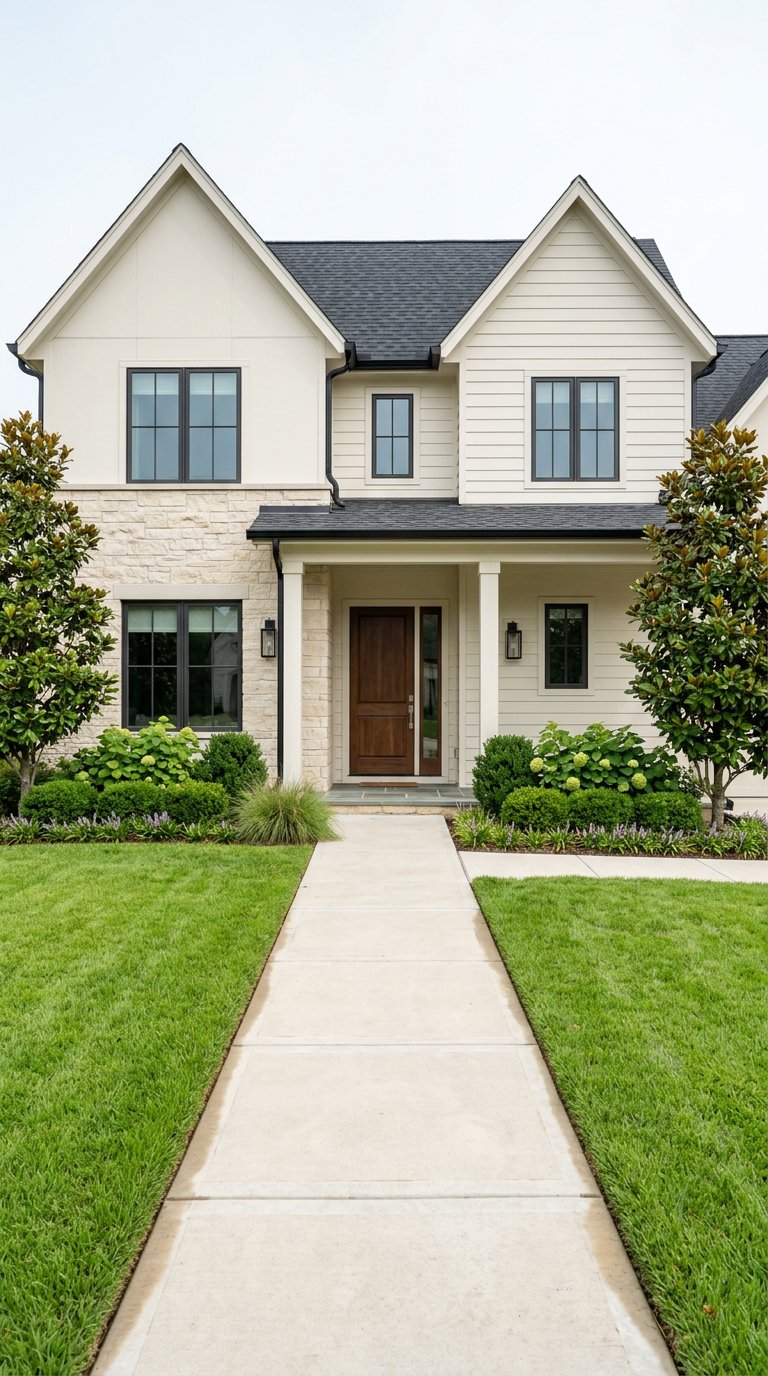
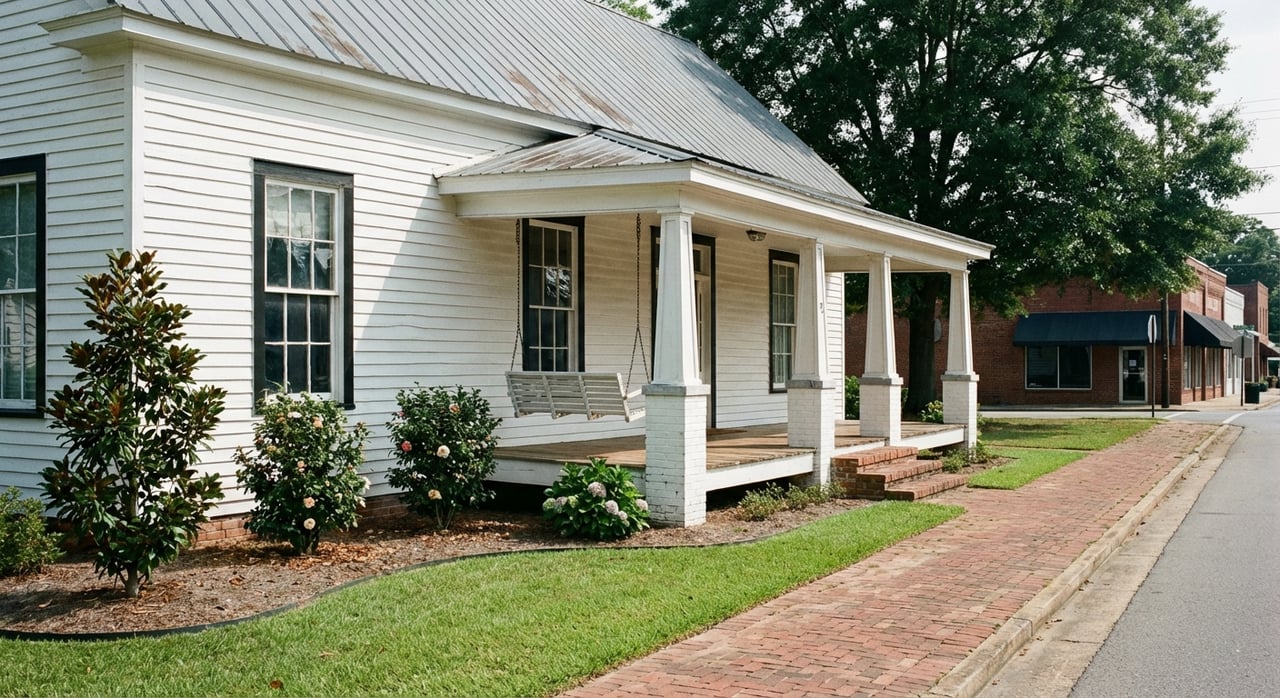
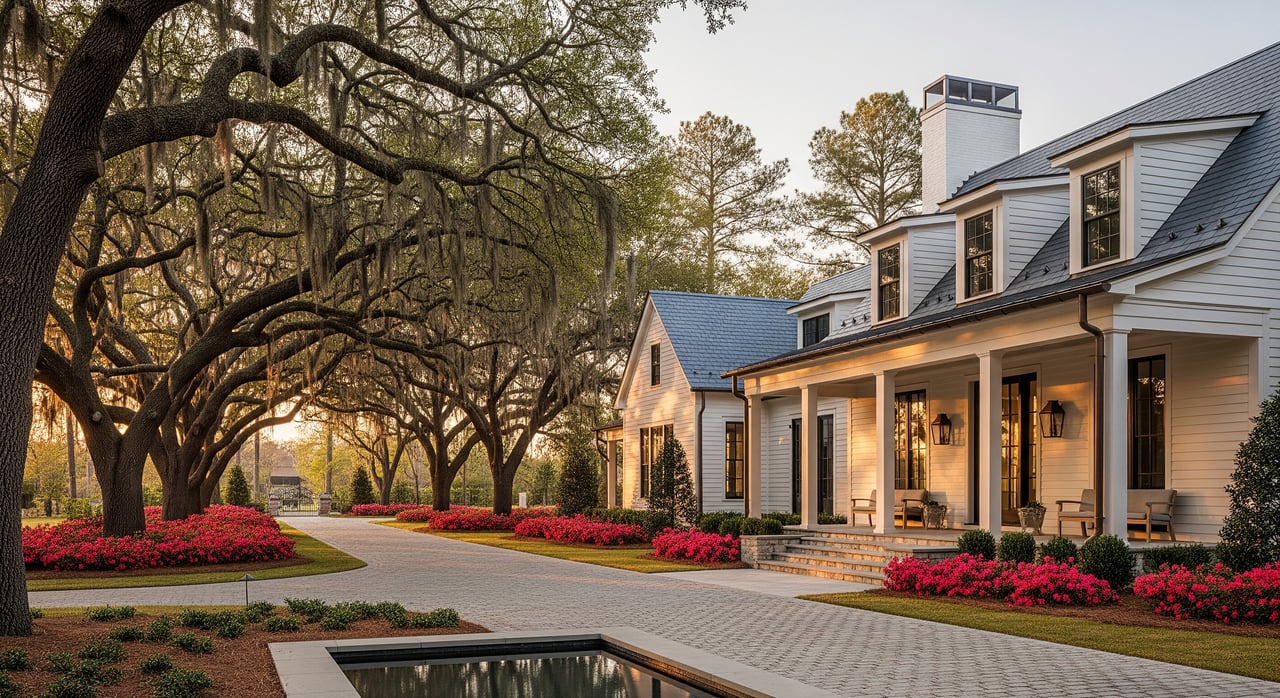
Most homes are single‑family detached, with a blend of one‑story ranch plans and two‑story traditional designs. Many newer builds highlight brick or Hardie exteriors, simple gable lines, welcoming front porches, and a calm, updated‑traditional look. You will also find properties that lean into modern farmhouse or Craftsman details, like board‑and‑batten siding, tapered porch columns, and dark‑trim windows.
Manufactured homes and smaller rural cottages appear across the area as well. If you are comparing Waverly to more built‑out suburbs, expect a broader range of home types and ages.
Neighborhood types to compare
Gated waterfront and golf communities
Buyers who want a resort‑style feel look at communities with amenities such as a golf course, clubhouse, pool, tennis or pickleball, and shared day docks or deep‑water access. Lots here tend to be smaller, roughly a quarter to a half acre, with HOA dues that cover shared facilities. The draw is easy access to water and community amenities.
Lakefront or pond subdivisions
Smaller, non‑golf neighborhoods often center on a lake or pond, with lots around a half to one acre. These homes appeal to move‑up buyers who want some water access and yard space without the upkeep of very large tracts.
Rural acreage and equestrian settings
If you prioritize privacy, room for horses, or a large workshop, you will find multi‑acre tracts and equestrian‑oriented areas with 10‑acre‑plus options. These properties usually trade community amenities for land and flexibility. Expect a mix of custom homes, barns, and outbuildings, plus room for RV and boat storage.
Lot sizes you can expect
- Small interior lots in gated settings: about 0.25 to 0.4 acre.
- Typical subdivision or lakefront lots: about 0.5 to 1.0 acre.
- Rural residential parcels: 1 to 5 acres, often with space for detached storage and RV hookups.
- Equestrian or recreational tracts: 10 acres and up.
Interior features Waverly buyers want
National research lines up with what you see in Waverly listings. According to NAHB’s 2024 findings, buyers prize a laundry room, patio or outdoor living, Energy Star windows, a front porch, garage storage, a main‑level full bath, and a walk‑in pantry. You can scan the headline trends here: Top design trends for 2024.
Kitchens and living spaces
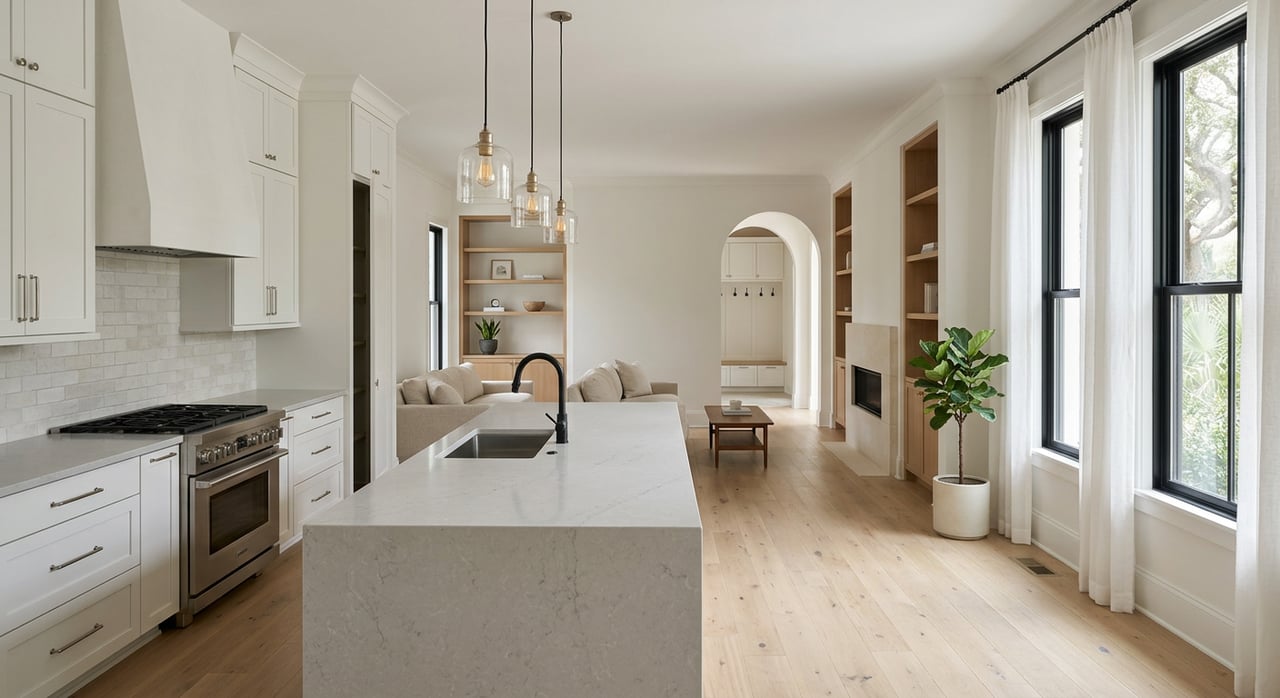
Newer Waverly homes often feature an island kitchen with an open flow to the great room. Stone or quartz counters, custom or upgraded cabinetry, and a walk‑in pantry are common wish‑list items. Open plans support easy entertaining and keep everyday life connected.
Main‑level living
Many buyers want a primary suite on the main level or a single‑story plan. This suits aging in place and keeps daily living simple. If you host guests or work from home, flexible secondary rooms that can double as an office or guest room are a plus.
Laundry, mudroom, and storage
Coastal life comes with gear. A true laundry room and a mudroom near the garage help manage beach, boating, or outdoor equipment. Ample garage storage is a frequent request, and detached workshops show up often on rural listings.
Outdoor living and screened comfort
Humidity and insects make screened porches and covered patios a big win. Buyers value spaces where they can enjoy breezes without bugs. In amenity communities, shared day docks and water access add lifestyle benefits you cannot easily replicate inland.
Coastal design, insurance, and build realities
Waverly sits in a county that takes flood awareness seriously. Camden County notes that a significant share of properties fall within mapped 100‑year floodplains. Before you assume a lot is low risk, use the county’s Flood Awareness Tool to check maps and property‑level risk.
Foundations and basements
In coastal and low‑lying areas, basements are uncommon because of high groundwater and flood rules. FEMA and NFIP guidance favor elevated slabs, crawlspaces, or pier foundations with flood vents and flood‑resistant materials below the base flood elevation. If you are weighing an elevated design or curious about mitigation approaches, this FEMA‑aligned handbook on elevation projects explains why coastal homes are built the way they are.
Utilities and permitting
Some Waverly communities have public water and sewer. Many rural parcels rely on private wells and septic systems. Confirm utilities early in due diligence, including capacity for future outbuildings or RV hookups. For setbacks, septic permitting, driveway rules, and floodplain requirements, start with the county’s Unified Development Code organization page and contact local planning and building offices for specifics.
Ongoing costs to factor in
- Waterfront homes may have dock or shoreline upkeep, plus potential for higher insurance or storm‑hardening costs.
- Large acreage brings land maintenance, septic service, fencing, and access upkeep.
- Gated communities typically add HOA dues that support amenities and common‑area care.
Feature wish lists by buyer type
Relocation and military buyers
You tend to prioritize commute time, move‑in condition, and clear timelines. A newer home near amenities can reduce project risk if you are on orders and need predictability. A screened porch, open kitchen, and a true laundry room are common comfort upgrades that make settling in easier.
Move‑up buyers
You often trade into a better kitchen, more storage, and improved outdoor living. Look for walk‑in pantries, three‑car or storage‑friendly garages, and covered or screened back porches. On the water, community docks and a clubhouse can anchor your social and recreation life.
Acreage and hobby buyers
You likely value land configuration and access over neighborhood amenities. Prioritize usable acreage, soil conditions for barns or arenas, and space for RV or boat storage. A mudroom, durable flooring, and ample utility storage matter when you live an indoor‑outdoor life.
How to compare your top three options
To see the real lifestyle and cost differences, line up three active options side by side:
- A gated waterfront or golf home with HOA amenities.
- A mid‑size subdivision or lakefront home on a half to one acre.
- A rural parcel or home on one to five acres, or an equestrian tract.
As you compare, check these items:
- Foundation type and flood zone designation. Use the county flood tool and ask about elevation certificates.
- Utilities. Confirm public sewer versus septic and whether the well and septic capacity match your plans.
- Storage. Look for walk‑in pantry space, garage storage, attic access, and room for RVs or a workshop.
- Outdoor living. Note porches, patios, and screening. Factor in yard maintenance time and cost.
- Monthly costs. Add HOA dues and realistic insurance estimates to your mortgage numbers.
Quick Waverly buyer checklist
- Verify flood zone and elevation for each property.
- Ask about foundation type and any flood vents or mitigation features.
- Confirm water and sewer or well and septic details, including age and capacity.
- Scan for a laundry room, mudroom, and pantry storage.
- Check for screened porches or covered outdoor living.
- Review garage size, attic access, and options for RV or boat storage.
- Price out HOA dues, dock fees if any, and estimated insurance.
- For acreage, evaluate access, fencing potential, and utility runs to future outbuildings.
The bottom line for Waverly buyers
Waverly gives you real choice. If you want golf, boating, and a community hub, you can find it. If you want room to roam, you can have that too. The features that rise to the top are clear: outdoor living that works year‑round, practical storage and mudrooms, open kitchens with islands and pantries, and floor plans that put everyday comfort first. Pair those with smart coastal planning on flood, utilities, and maintenance, and you will be set up for a confident decision.
When you are ready to compare options, talk with a local, full‑service advisor who understands relocation timelines, coastal build realities, and what matters most to you. For warm, experienced guidance and a clear plan from search to closing, reach out to Lili Youngblood.
FAQs
Do Waverly buyers need flood insurance?
- Possibly. Many coastal and river‑adjacent areas fall within mapped floodplains. Use Camden County’s Flood Awareness Tool and ask your lender and insurer for property‑specific guidance.
Are basements common in Waverly homes?
- No. High groundwater and FEMA/NFIP rules favor slabs, crawlspaces, or elevated pier foundations. See FEMA’s elevation guidance in this handbook on elevation projects.
What lot sizes are typical around Waverly, GA?
- Expect about 0.25 to 0.4 acre in gated interiors, 0.5 to 1.0 acre in many subdivisions or lakefront areas, 1 to 5 acres for rural parcels, and 10 acres or more for equestrian and recreational tracts.
Will I have public sewer or a septic system?
- It depends. Some neighborhoods have public water and sewer, while many rural parcels rely on private wells and septic systems. Confirm utilities during your first round of due diligence and review county code requirements here.
What features add the most appeal for Waverly buyers?
- According to NAHB, a laundry room, patio or outdoor living, Energy Star windows, a front porch, garage storage, a main‑level full bath, and a walk‑in pantry are top draws. See the 2024 design trends summary for details.
How do relocation and military buyers approach Waverly?
- Many prioritize commute, move‑in readiness, and clear timelines. The Navy’s Kings Bay housing region page offers context while you compare neighborhoods and features that fit your schedule and budget.